Frequently Asked Questions
Answers Made for You
At Gaston's Bakery & Mill, we believe in complete transparency about what goes into our bread. We mill our own flour, cultivate our own sourdough starter, and source the finest wheat from the Pacific Northwest. Here are answers to the questions we hear most often.
Our Bread and Flour
For best flavor and texture, store our bread at room temperature in a paper bag, cloth or bread box for 2-3 days.
For longer storage, slice and freeze the bread. It will keep for up to 3 months frozen and can be toasted directly from the freezer.
We mill our own flour because it gives us complete control over quality and freshness. When we mill wheat berries fresh in our own mill, we preserve the natural oils, vitamins, and flavor that are lost in commercial milling and long storage times. This means better nutrition, better flavor, and a cleaner ingredient list for you.
Plus, we can ensure that nothing is added to our flour—no enrichment, no preservatives, no additives of any kind.
Commercial white flour is enriched, meaning synthetic vitamins and minerals are added back after processing strips away the wheat's natural nutrients. Our flour is not enriched because we mill the whole wheat berry fresh, preserving its natural nutritional profile.
When you see "not enriched" on our flour, it means you're getting pure, freshly-milled wheat with nothing added and nothing taken away—just the way nature intended.
We mill our flour fresh daily. Unlike commercial flour that may sit in warehouses for months, our flour goes from whole wheat berry to finished product within days. This freshness gives our bread superior flavor and aroma that you simply can't get from shelf-stable, long-stored flour.
Yes! We offer our house-milled flours for home bakers who want the same quality we use in our bakery. Available varieties include our signature bread flour, whole wheat flour, all-purpose and specialty grain blends. Contact us for current availability and pricing.

Our Wheat Sourcing
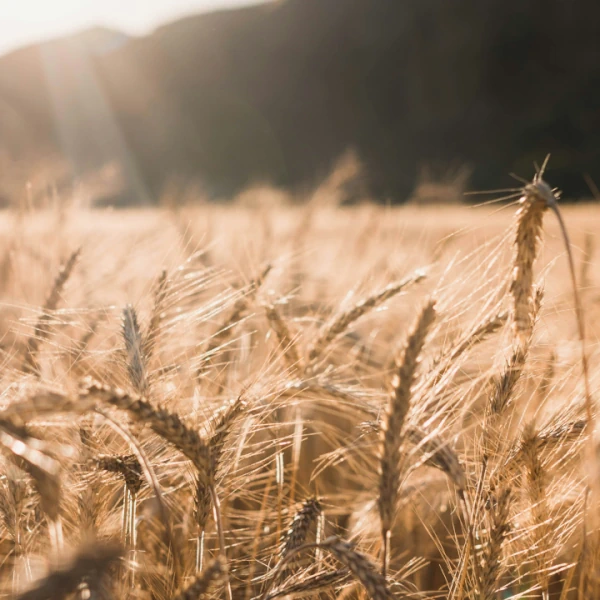
We source our wheat from trusted growers in southern Idaho and Montana. These regions produce exceptional quality wheat thanks to their ideal growing conditions—rich soil, clean mountain water, and the temperature swings between warm days and cool nights that help develop flavor in the grain.
By sourcing regionally, we support local agriculture and reduce our environmental footprint while ensuring the freshest possible wheat for our mill.
This is an important question we're happy to address. Our Idaho and Montana wheat does not have glyphosate issues. Here's why:
There is no glyphosate-resistant wheat in commercial production in the United States. Unlike crops like corn or soybeans, wheat cannot be sprayed with glyphosate during the growing season without killing the plant entirely.
The practice of using glyphosate as a pre-harvest desiccant (to dry down wheat before harvest) is extremely rare in Idaho. According to wheat industry experts who have worked with Idaho grain producers for decades, this practice is virtually non-existent in our region and has never been observed in the wheat we source.
We work directly with reputable growers in southern Idaho and Montana who follow standard wheat production practices. Glyphosate simply isn't part of conventional wheat farming in our region the way it might be with other crops.
If glyphosate residues are ever detected in wheat loads, it's typically due to cross-contamination from corn or soybeans left in storage bins, rail cars, or shipping containers—not from the wheat itself. Our regional sourcing and direct grower relationships help us maintain the purity of our supply chain.
Yes. Glyphosate residue testing is straightforward and readily available. Many wheat buyers, particularly those serving international markets, include glyphosate testing requirements in their contracts. Our wheat-growing region has an excellent reputation with foreign buyers precisely because glyphosate isn't used in Idaho wheat production.
We're committed to transparency. If you have specific concerns about testing or want to discuss our sourcing practices in more detail, we're always happy to talk.
Flour Protein & Fiber
We mill different flours for different baking needs:
All-Purpose Flour: 11% protein - perfect for pastries, cookies, and everyday baking where you want a tender crumb.
Whole Wheat Flour: 11% protein - milled from the entire wheat berry, including all the bran and germ, giving you maximum nutrition and fiber along with a rich, nutty flavor.
Bread Flour: 13% protein - higher protein content creates stronger gluten development, ideal for yeasted breads and sourdough where you want great rise and chewy texture.
The protein percentage tells you how much gluten-forming protein is in the flour, which directly affects the structure and texture of your baked goods.
Our bread flour and all-purpose flour start the same way as our whole wheat—we mill the entire wheat berry. Then we sift the flour to remove most of the bran for a lighter texture. But here's the key difference: some bran remains in our sifted flours.
This means our "white" flours retain more nutrients, flavor, and fiber than conventional commercially-milled white flour, which is heavily processed to remove all bran and germ. You get a lighter texture with better nutrition—the best of both worlds.
Because we mill fresh and sift gently, our all-purpose and bread flours have a subtle cream color and more complex flavor than stark white commercial flour. This is whole grain baking done right.
Our whole wheat flour is milled from the complete wheat berry, which means it retains all three parts: the bran (fiber-rich outer layer), the germ (nutrient-dense core), and the endosperm (starchy middle). This gives you significantly more nutrition than refined white flour.
Whole wheat flour contains 3-4 times more dietary fiber than white flour. Fiber supports digestive health, helps regulate blood sugar, and promotes feelings of fullness.
Fresh-Milled Advantage: Because we mill our whole wheat flour fresh, the wheat germ's natural oils, vitamins (especially B vitamins and vitamin E), and minerals (iron, magnesium, zinc) are preserved. Commercial whole wheat flour often sits on shelves for months, causing those delicate nutrients and oils to oxidize and lose potency.
When you choose our whole wheat products, you're getting maximum nutrition and fiber from grain that was milled recently, not months ago.

Still Have Questions?
We love talking about bread, flour, and traditional baking methods.
Get In Touch